

INCIDENTS / アンシダン / 偶景(2018 - 2022)


 |  |
|---|---|
 |  |
 |  |
 |  |
 |  |
 |  |
 |  |
 |  |
 |  |
 |  |
 |  |
 |  |
 |  |
 |  |
 |  |
 |  |
 |  |
 |  |
 |
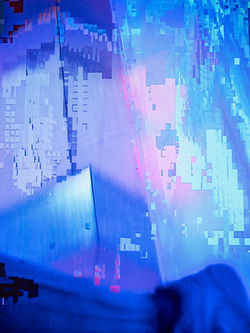
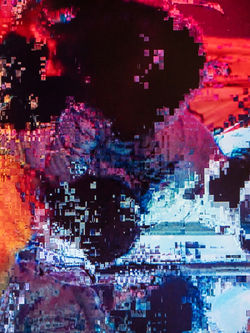
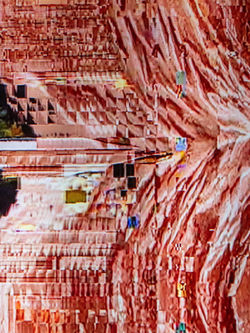
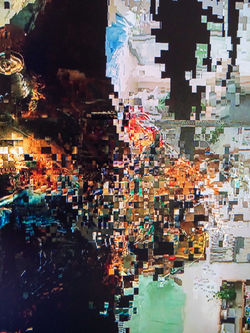
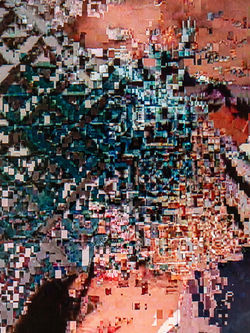
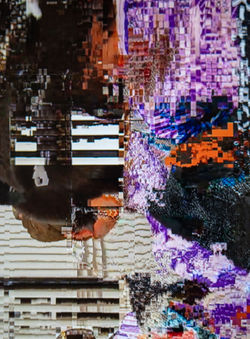
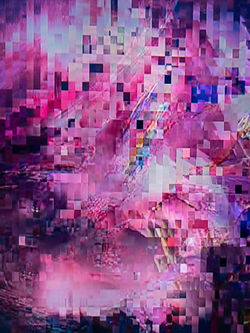
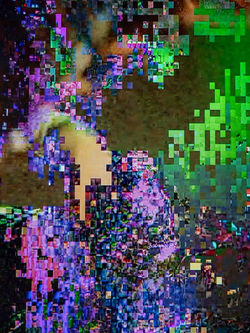
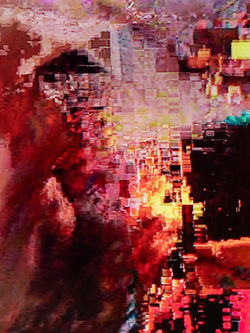
ニュース番組などが流れるTVの受信部をあえて接触不良にし、発生したグリッチノイズをストレートに撮影した。さらに、横取りした映像情報を恣意的に回転・トリミングして編集することで、元の映像の文脈を剥奪している。
誤読が干渉しながら、何かの面影がかくれたりあらわれたりする、偶有的な見る経験が生じる。
《INCIDENTS》におけるインシデントは、原因・推移・結果として整理できるアクシデントではない。整合的な因果関係へ回収されることを拒みながら、情報やシステムの構造そのものを露出させる。あべこべで、ちぐはぐで、言葉からこぼれ落ちるものたちが、画面を出入りし続ける。
偶像を失った曖昧で複雑な画面を前にした鑑賞者は、「読み取る欲望」に突き動かされる。人はノイズの海からシグナルを抽出し、星座を結ぶように意味を過剰に生成せずにはいられない。そのとき鑑賞者は、自らの記憶や面影を投影し、幻の視覚的現実を生成してしまう。
メディアを介した伝聞は、ホモ・サピエンスが共同体として学習し、見知らぬ他者と協力するための共同幻想を支えてきた。20世紀、テレビというマスメディアは、社会の現実認識を画一的にフレーミングしていた。しかし現在、人類は膨大な写真映像とアルゴリズム的情報環境の中で、絶えず注意を削がれ、巧妙なフェイクとノイズに晒されている。
穴居人の頃から変わらないヒトの脳は、ノイズの海からシグナルをフィルタリングし、星座を結ぶように意味を紡ぐヒューリティクスから逃れられない。省かれた事実やエラーへ注意を向けて、見ることそのものを疑うとき、幻影ゆらめく洞窟の外へ通じる裂け目が現れる。そうして人は、太陽の光がずっと手のひらの上に差していたことを知る。
I took straight photography of LCD screens with glitch noise caused by poor contact in the receiver of digital TV with news reports and dramas. By rotating and cropping the data after the picture was taken, the context of the original image was removed. Viewers of idol-less pictures are motivated by a 'desire to read' and project themselves to generate an illusory visual reality.
Media hearsay is an important factor in Homo sapiens' survival as a community, learning and cooperating with strangers, and the mass media that support this mechanism have defined the nature of our perception of reality. In the 20th century, when television was dominant, the information obtained from it standardized the framing of the perception of reality for the majority of society. However, now that the media environment has become deceptively diverse, with vast amounts of photographic imagery distracting us and even clever fake information abounding, the collective experience of humanity is undergoing a profound transformation.
Humans cannot help but filter signals from the sea of noise and weave stories, like connecting constellations. By paying deep attention to trivial facts and errors, doors are opened that lead out of the bright caves and the sun shines through.